


Small-batch roasting gives coffee brands the freedom to release seasonal origins, experiment with roast profiles and respond quickly to customer demand.
Packaging can easily become the part of that process that is least flexible.
A roaster may need only a few thousand bags, but those bags often have to cover several origins, different roast levels, multiple fill weights and frequently changing tasting notes. Ordering a separate long production run for every SKU can leave the business with packaging that is outdated before it is used.
From a packaging supplier’s perspective, the best solution is not simply the bag with the lowest unit price. It is the packaging system that:
- Protects the coffee
- Matches the sales cycle
- Keeps packaging inventory manageable
- Supports changing SKUs
- Presents the brand professionally
- Uses environmental claims that can be supported
For most growing roasters, that means starting with either a stock high-barrier coffee bag with a custom label or a digitally printed stand-up or flat-bottom coffee pouch with a valve and zipper.
What Is the Best Coffee Packaging for Small-Batch Roasters?
For most small-batch roasters, the best flexible coffee packaging is a high-barrier stand-up pouch with a one-way degassing valve, resealable zipper and short-run digital printing. New coffee brands can begin with stock valve bags and custom labels to reduce inventory risk, while premium retail roasters may prefer flat-bottom coffee bags for stronger shelf presentation. The final structure should be selected according to coffee format, required shelf life, quantity per design and destination market.
Why Small Roasters Need a Different Packaging Approach
Large coffee companies normally work with stable designs, predictable demand and long production runs. A small roaster may replace a single-origin coffee every few months or sell the same coffee in several formats.
That changes the cost calculation.
A lower unit price does not always produce a lower total packaging cost.
For example, ordering 20,000 bags for a coffee that sells only 3,000 units per year may appear economical on a quotation. In practice, the remaining inventory may become unusable after a brand update, origin change or labeling revision.
Small-batch coffee packaging should therefore be planned around realistic sales volume rather than the lowest available unit price.
Which Coffee Bag Is Best for Small-Batch Roasters?
1. Digitally Printed Stand-Up Pouches: Best Overall Value
A stand-up pouch is often the most practical starting point for an established small roastery.
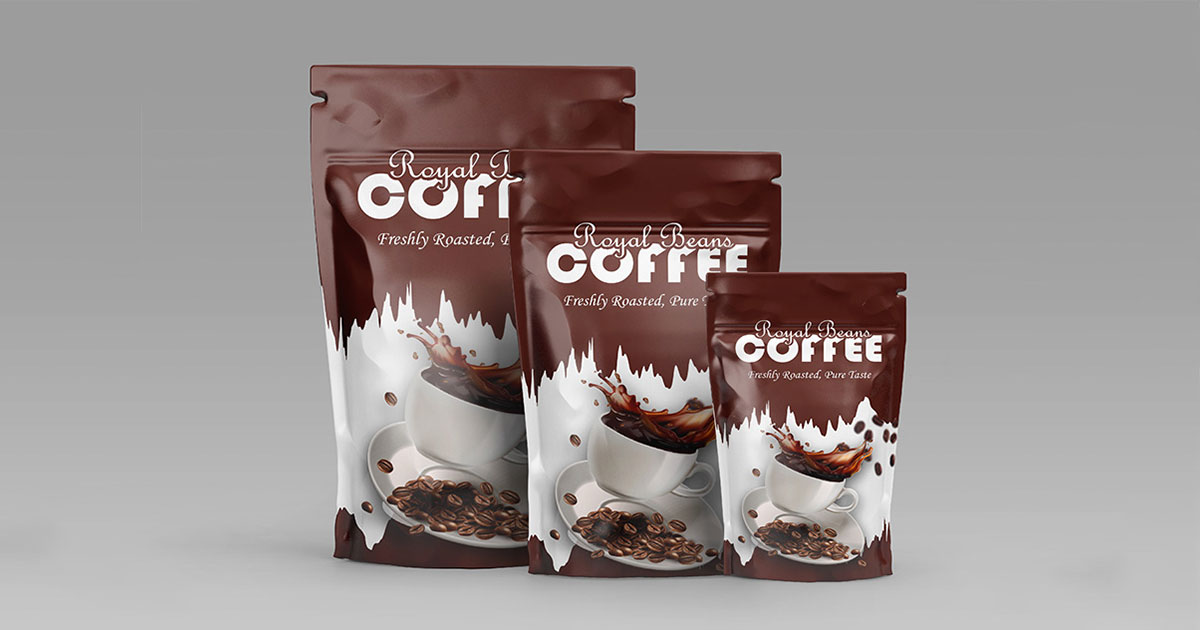
Compared with more complex bag formats, stand-up coffee pouches generally offer a good balance between appearance, material use and production cost.
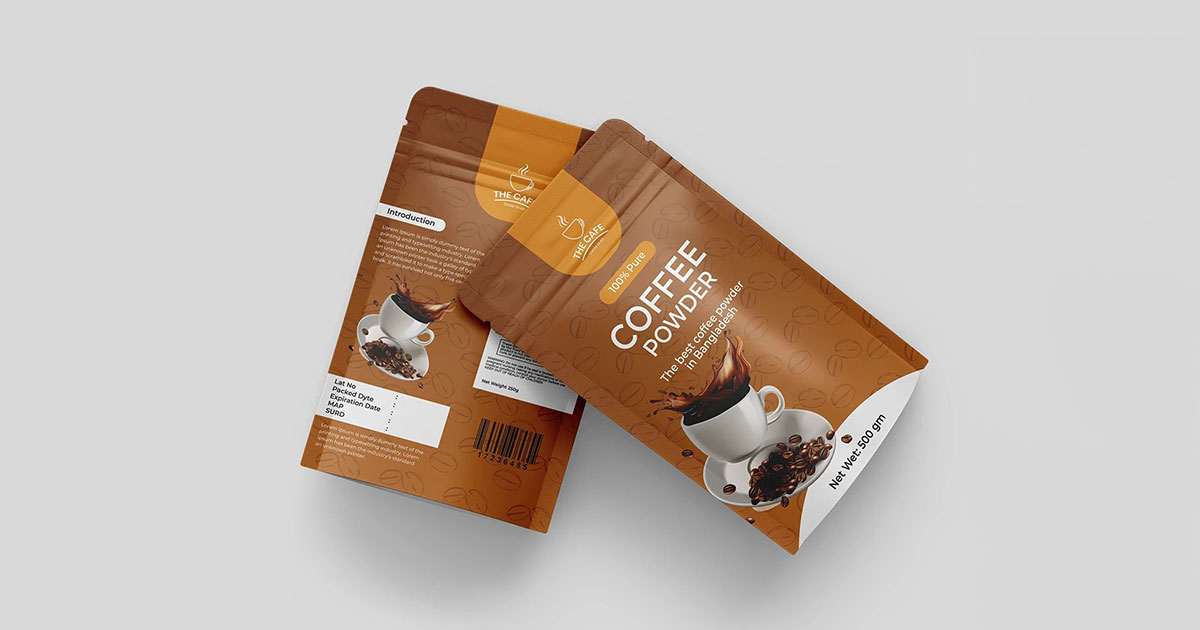
Digital printing makes the format more suitable for shorter runs and multiple designs. It allows a roaster to produce different artwork for an espresso blend, decaf coffee and seasonal single origins without committing to the same volume normally associated with conventional gravure printing.
2. Flat-Bottom Coffee Bags: Best for Premium Retail
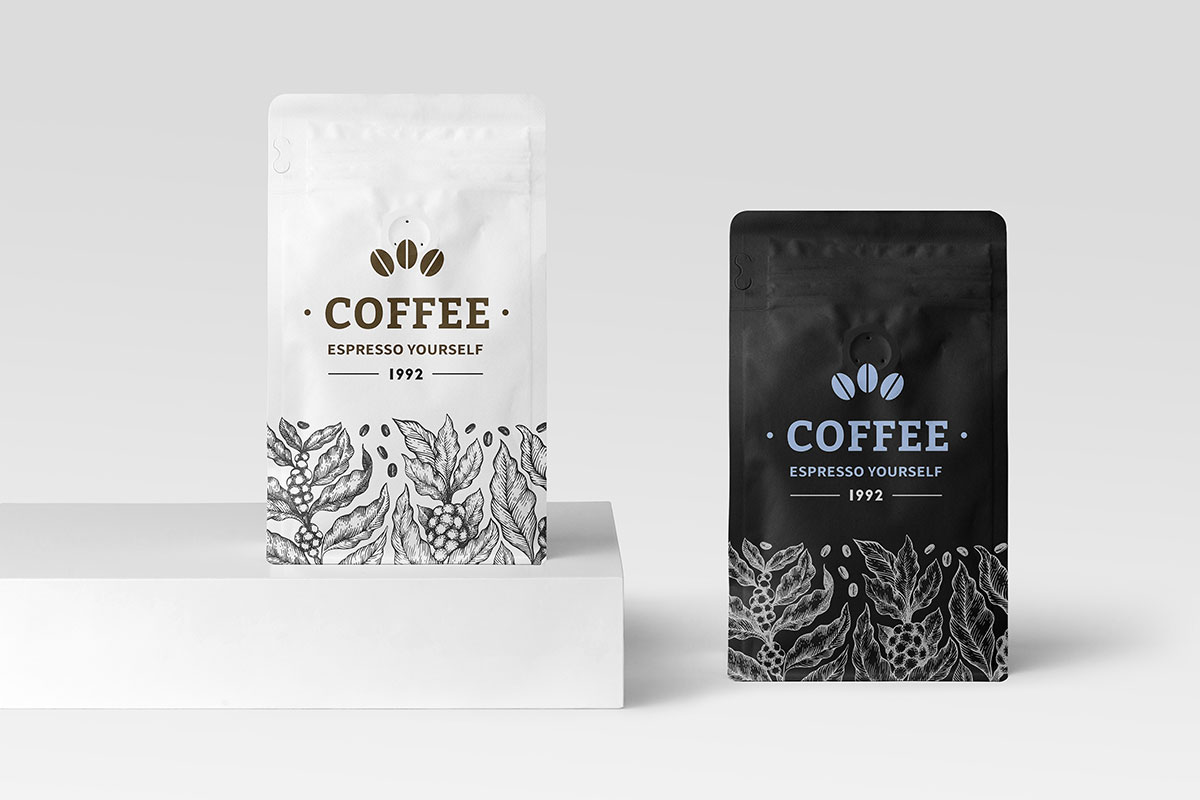
Flat-bottom bags are widely used by specialty coffee brands that want stronger shelf presence.
The stable base helps the package stand upright, while the front, back and side panels create more space for brand storytelling and product information.
Flat-bottom coffee bags can be fitted with standard zippers, pocket zippers, pull-tab openings or one-way valves.
They usually cost more than a standard stand-up pouch because the structure uses additional panels and requires more complex converting. For that reason, they are most effective when the packaging needs to support a higher retail price or more premium positioning.
3. Stock Coffee Bags with Labels: Best for Testing
Not every coffee needs a fully printed bag.
For new businesses, micro-lots and limited releases, a stock coffee pouch with a custom label may be the most efficient option.
This approach reduces the amount of packaging that becomes obsolete when a coffee sells out.
The main limitation is visual consistency. A label should be designed as part of the bag rather than added as an afterthought. Label size, adhesive, surface finish and application position all affect the final appearance.
Where environmental claims are involved, the label, adhesive and pouch should also be evaluated as one packaging system.
4. Side-Gusset Coffee Bags: Best for Larger Quantities
Side-gusset bags expand along both sides when filled, making them useful for larger volumes of whole-bean or ground coffee.
The format uses storage and carton space efficiently and can be supplied with a valve, tin tie or heat-seal closure.
It may offer less front-facing stability than a flat-bottom bag, but it remains a practical choice when packing volume and shipping efficiency are more important than premium shelf presentation.
Protecting Coffee Comes Before Choosing a Finish
Matte coatings, metallic details and textured paper can improve presentation, but the first question should be whether the structure can protect the coffee through its intended shelf life.
Roasted coffee quality changes under the influence of oxygen, moisture, temperature and time. Ground coffee is especially sensitive because grinding increases the area exposed to the surrounding environment.
A coffee packaging supplier should therefore ask about the product and distribution conditions before recommending a film.
Oxygen Barrier
Exposure to oxygen contributes to aroma loss and oxidation.
Moisture Barrier
Roasted coffee also needs protection from changes in humidity.
Light Protection
Opaque or metallized films provide greater light protection than fully transparent packaging.
Seal Integrity
A high-barrier film cannot compensate for a poor top seal.
Does Freshly Roasted Coffee Need a Degassing Valve?
Freshly roasted coffee continues to release carbon dioxide after roasting. A one-way degassing valve allows internal gas to leave while helping restrict external air from entering through the same opening.
For whole-bean coffee packed soon after roasting, a valve is usually recommended.
The roaster should provide the intended filling line and bag dimensions so the supplier can recommend a practical valve location.
What Is the Most Sustainable Coffee Packaging?
There is no single coffee bag material that is automatically the most sustainable in every market.
Recyclable Mono-Material Coffee Bags
Mono-material PE coffee pouches are designed to reduce the material complexity associated with conventional mixed-material laminates.
Compostable Coffee Bags
Compostable coffee packaging may suit brands with an established organic, specialty or zero-waste position.
Kraft Paper Coffee Bags
Kraft paper gives coffee packaging a natural appearance and tactile feel.
However, many kraft coffee bags contain an inner barrier film. A paper surface alone does not prove that the finished package is recyclable, compostable or plastic-free.
Ask for the full material structure before making claims.
Conventional High-Barrier Laminates
For some long shelf-life or export projects, a conventional multilayer structure may still provide the most reliable product protection.
Preventing coffee loss is also part of the sustainability calculation. A less complex film is not necessarily a better choice when it causes aroma loss, seal failure or premature product disposal.
How MST PACK Supports Small-Batch Coffee Roasters
MST PACK manufactures flexible packaging for roasted coffee and other food applications. Its current coffee packaging range includes stand-up pouches, flat-bottom bags, side-gusset bags, valve bags, zipper bags, stock formats, custom printed bags, recyclable structures and compostable packaging options. The company also lists digital printing and gravure printing capabilities, along with lamination and flexible pouch converting.
For small-batch projects, the packaging development process can include:
- Bag-format selection
- Size recommendations
- Material-structure evaluation
- Valve and zipper selection
- Digital or gravure printing comparison
- Artwork and dieline support
- Physical sample testing
- Recyclable or compostable structure review
- Production and shipping planning
Our recommendation is to begin with the coffee itself—not a generic bag specification.
The filling weight, roast level, product format, expected shelf life, number of designs and destination market should be reviewed before the final material and bag size are confirmed.
Frequently Asked Questions
What is the best packaging for a small coffee roaster?
For most small roasters, a high-barrier stand-up pouch with a degassing valve, zipper and digital printing offers the best balance of freshness, branding and order flexibility. New brands may begin with stock valve bags and custom labels.
What is the best low-MOQ coffee packaging?
Digitally printed coffee bags are generally the most practical custom option for lower quantities and multiple designs. Stock coffee bags with labels provide an even lower-risk option for market testing and seasonal products.
Are flat-bottom coffee bags better than stand-up pouches?
Flat-bottom bags provide stronger shelf stability and more printing space, making them suitable for premium retail coffee. Stand-up pouches are often more economical and use less material. The right format depends on positioning, volume and budget.
Do coffee bags need a one-way degassing valve?
Whole-bean coffee packed soon after roasting commonly benefits from a one-way valve because the beans continue to release carbon dioxide. The need for a valve should still be evaluated according to the packing time, coffee format and filling process.
Can recyclable coffee bags provide enough barrier?
Recyclable mono-material structures can be designed with improved oxygen and moisture barriers. Their suitability depends on the coffee type, required shelf life, valve and zipper compatibility, and distribution conditions.
Are kraft coffee bags compostable?
Not necessarily. Many kraft coffee bags are laminated with plastic or other barrier films. The complete material structure and relevant certification should be reviewed before making compostability or recyclability claims.
What information is needed for a coffee bag quotation?
Provide the coffee format, filling weight, pouch style, size, order quantity per design, number of SKUs, shelf-life target, destination country, valve requirements, printing method and sustainability goals.
Should a small roaster choose digital or gravure printing?
Digital printing is normally better for short runs, multiple SKUs and frequently changing artwork. Gravure printing becomes more economical when volumes are larger and designs remain stable.
Key Takeaways for Small-Batch Roasters
- Use stock valve bags with custom labels when testing a new brand or seasonal coffee.
- Choose digitally printed stand-up pouches when managing several lower-volume SKUs.
- Consider flat-bottom coffee bags when premium retail presentation is a priority.
- Match the barrier structure to the coffee format, shelf life and distribution conditions.
- Test the actual coffee in a physical bag before confirming the dimensions.
- Verify the complete pouch, valve, zipper, ink and adhesive before making recyclable or compostable claims.
Request a Coffee Packaging Recommendation
Not sure which bag format, barrier material or printing method fits your coffee?
Our team will review your requirements and recommend a practical coffee packaging specification. Request a Quote Now!