

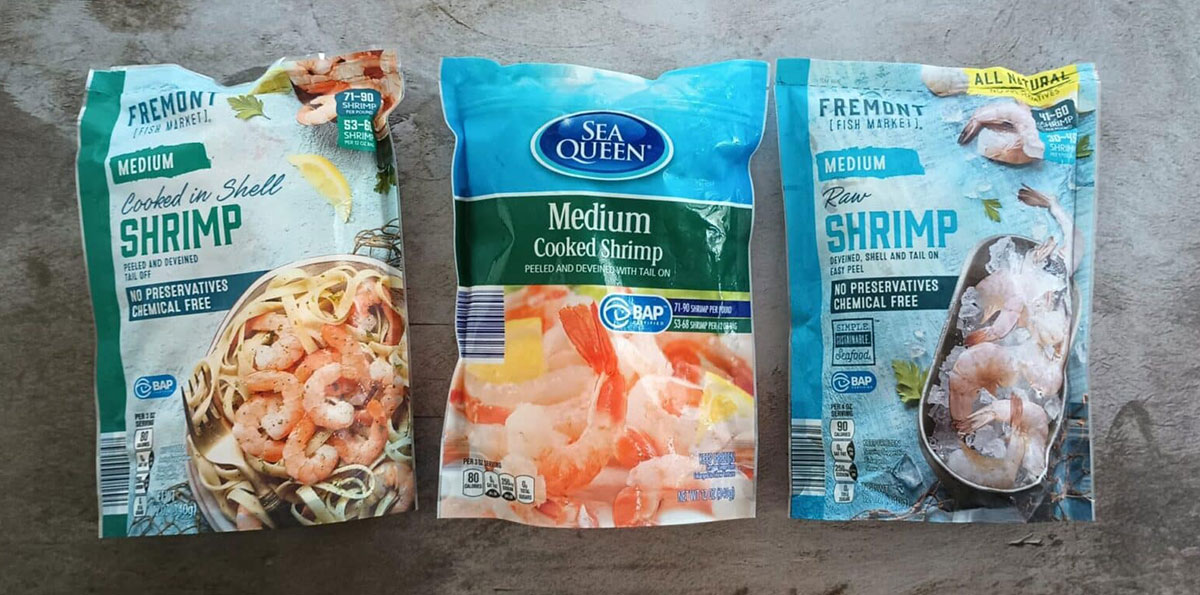
Frozen food packaging looks simple from the outside, but it is one of the most demanding categories in flexible packaging. A frozen food bag must survive low temperature, moisture migration, sharp frozen edges, cold-chain handling, carton compression, retail freezer display and repeated consumer handling. If the film structure is wrong, the problem may not appear in the factory. It often appears later as cracked corners, weak seals, ice crystals, freezer burn, dull product color or customer complaints.
For frozen vegetables, fruit, meat, seafood and ready meals, packaging is not just about holding the product. It helps protect taste, texture, appearance, food quality and brand value throughout storage and distribution.
MSTPACK supplies custom frozen food packaging bags and roll stock film for food processors, private-label brands, supermarket suppliers and frozen food manufacturers. Our solutions cover pillow bags, stand up pouches, flat bottom bags, vacuum bags, high-barrier laminated bags, recyclable PE-based structures and custom printed frozen food packaging.
This guide explains how to choose the right frozen food packaging bag by product category, material structure, barrier performance, sealing method and sustainability target.
Why Frozen Food Packaging Is Becoming More Important
Frozen food demand continues to grow because consumers want convenient meals, longer storage life and less food waste. According to Grand View Research, the global frozen food packaging market was estimated at approximately USD 45.69 billion in 2023 and is expected to grow at a CAGR of about 5.8% from 2024 to 2030.
This growth is not only driven by supermarkets. It also comes from frozen meal kits, online grocery delivery, private-label frozen food, export meat and seafood, plant-based frozen meals, frozen fruit for smoothies and ready-to-cook convenience food.
For packaging buyers, this means the frozen food bag has to do more than before. It needs to protect the product, support automated packing, meet retailer display standards, reduce logistics damage and often answer sustainability requirements at the same time.
That is why more brands are moving from basic frozen bags to custom engineered frozen food packaging.
What Makes a Frozen Food Packaging Bag Reliable?
A reliable frozen food bag should be designed around four things: the product, the process, the storage condition and the sales channel.
Low-Temperature Flexibility
Frozen packaging films must remain flexible after freezing. If the material becomes brittle, the bag can crack during drop tests, carton loading or consumer handling. This is especially important for family-size frozen vegetable bags, frozen meat packs and frozen fruit bags shipped through cold-chain logistics.
Strong Sealing Performance
Seal failure is one of the most expensive packaging problems for frozen food brands. Frozen products may contain water, oil, seasoning powder, starch, marinades or sauce. These can affect the sealing area during packing. A proper sealing layer helps reduce leakage, broken seals and rejected packs.
For automatic packing lines, MSTPACK usually checks sealing temperature range, sealing speed, jaw pressure and contamination risk before recommending the film.
Moisture Barrier
Moisture barrier helps reduce dehydration and freezer burn. USDA guidance notes that proper packaging helps maintain frozen food quality and prevent freezer burn. In real packaging projects, this is especially important for frozen vegetables, fruit, meat and seafood, where surface drying can quickly affect product appearance.
Oxygen Barrier
Oxygen barrier is important for products sensitive to color change, oxidation, odor and flavor loss. Frozen meat, seafood, prepared meals, sauces and cheese-based products often need stronger oxygen protection than simple frozen vegetables.
Puncture Resistance
Frozen food becomes hard after freezing. Bone-in meat, shrimp shells, fish edges, frozen broccoli stems and irregular product shapes can damage weak film. Good puncture resistance helps reduce pinholes and leakage during storage and transportation.
Print Durability and Shelf Display
Frozen food packaging must stay visually clear under cold lighting, condensation and handling. For retail freezer shelves, the bag needs strong color, readable product information and a clean design hierarchy. A beautiful design is only useful if it still looks professional after cold-chain distribution.
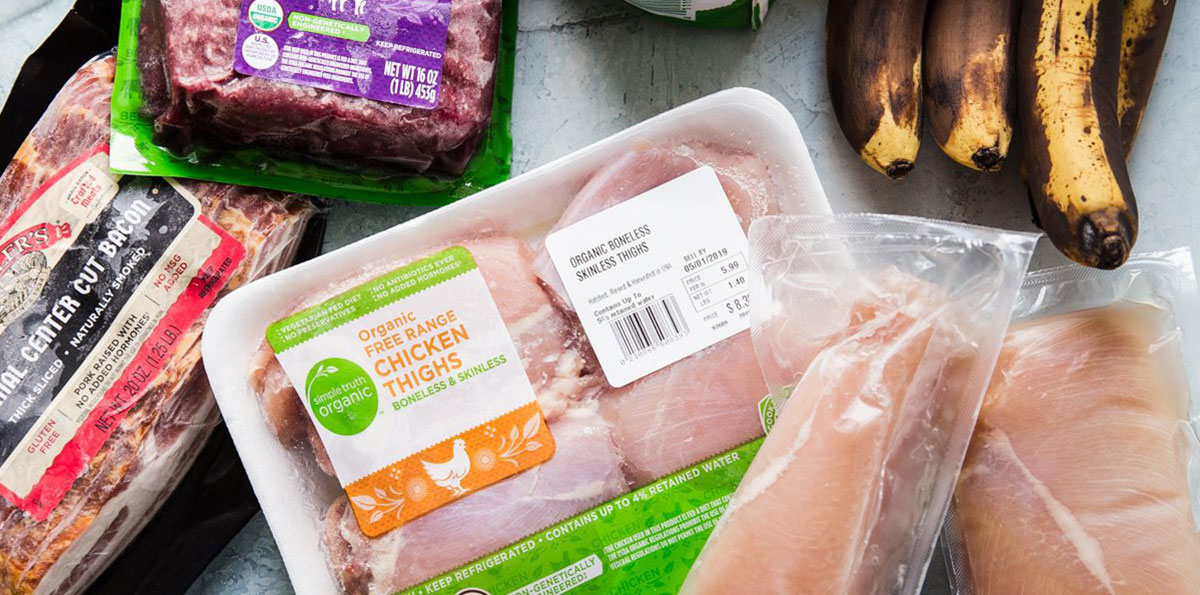
Custom Frozen Food Packaging Bags by Product Type
Frozen Vegetable Packaging Bags
Frozen vegetables are often packed in pillow bags or roll stock film because these formats suit high-speed production and retail volume. Common products include frozen peas, corn, broccoli, carrots, spinach, edamame, mixed vegetables and cauliflower.
Frozen Fruit Packaging Bags
Frozen fruit packaging needs to protect color, aroma and moisture. Berries, mango chunks, pineapple, cherries, peaches and smoothie fruit mixes are often sold with strong visual branding, so the package must perform both technically and visually.
Frozen Meat Packaging Bags
Frozen meat packaging has higher technical requirements than most frozen vegetable or fruit packs. Meat may contain fat, blood, marinade or bone edges. The package must control oxygen exposure, resist puncture and maintain seal integrity during freezing and shipping.
Frozen Seafood Packaging Bags
Seafood packaging often needs stronger odor control, moisture protection and puncture resistance. Shrimp shells, crab products, fish bones and frozen seafood edges may damage thin materials.
Frozen Ready Meal Packaging
Frozen ready meals are one of the fastest-changing categories. Products can include rice meals, pasta, dumplings, curry, noodles, pizza components, meal kits, frozen snacks and ready-to-heat dishes.
Recyclable Frozen Food Packaging: Practical but Needs Correct Design
More brands now ask for recyclable frozen food packaging. This is a strong direction, especially for frozen vegetables, fruit and some ready meal categories. However, recyclable packaging must still pass the basic frozen food requirements: cold resistance, seal strength, barrier performance and packing-line stability.
A recyclable structure is not automatically better if it causes product damage, shorter shelf life or higher waste. For frozen food brands, sustainability should be balanced with product protection. A failed pack creates more waste than a properly designed pack.
Compostable Frozen Food Packaging: Suitable for Selected Projects
Compostable packaging may be suitable for certain frozen food applications, especially lightweight products, short-to-medium shelf-life items or brands with a strong eco-positioning. However, it needs more careful testing than conventional materials.
For heavy frozen meat, seafood or high-moisture products, compostable structures may not always be the first choice. For frozen fruit, selected vegetables or specialty eco-products, they may be worth testing.
Custom Printing and Design Tips for Frozen Food Brands
In frozen food aisles, customers make quick decisions. Packaging must explain the product clearly in a few seconds. MSTPACK has seen many packaging designs that look good on screen but become weak in real freezer cabinets because the product name is too small, the color contrast is too low or the front panel is too crowded.
MSTPACK supports rotogravure printing, digital printing, matte finish, gloss finish, transparent windows, resealable zippers, easy-tear notches, hang holes and custom pouch structures.
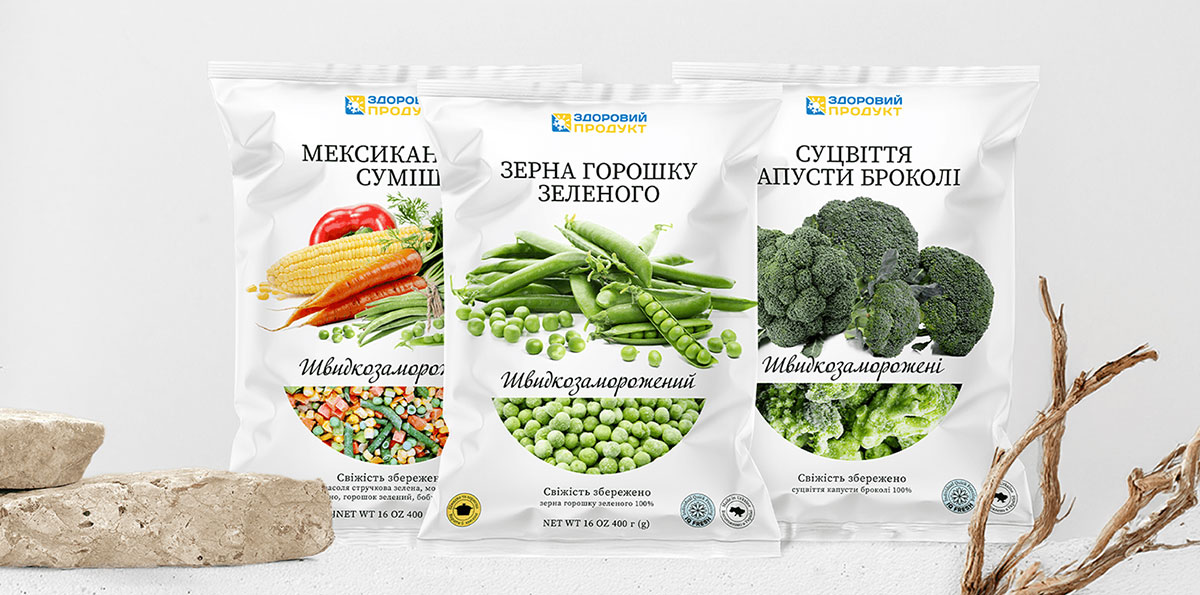
What Are Custom Frozen Food Packaging Bags?
Custom frozen food packaging bags are freezer-safe flexible packaging bags designed to protect frozen vegetables, fruit, meat, seafood and ready meals during low-temperature storage and cold-chain distribution. They are usually made from laminated or PE-based films with moisture barrier, oxygen barrier, puncture resistance and strong heat-seal performance. Common formats include pillow bags, stand up pouches, flat bottom bags, vacuum bags and roll stock film. MSTPACK supplies custom printed frozen food packaging bags with options such as recyclable structures, high-barrier films, zippers, windows and OEM packaging support.
Which Packaging Is Best for Frozen Vegetables, Fruit, Meat and Ready Meals?
Frozen vegetables usually use pillow bags or roll stock film for cost-efficient high-speed packing. Frozen fruit often uses stand up pouches or resealable bags for better shelf display and moisture protection. Frozen meat and seafood need high-barrier or vacuum packaging with stronger puncture resistance and seal strength. Frozen ready meals require packaging that can handle sauce, oil, starch, cooking instructions and retail branding. The best structure depends on product type, shelf life, filling method, storage condition and sustainability target.
FAQ: Custom Frozen Food Packaging Bags
What is the best material for frozen food packaging bags?
The best material depends on the product. Frozen vegetables may use freezer-grade PE-based or laminated films. Frozen meat and seafood usually need higher barrier and puncture-resistant structures. Frozen ready meals may need strong sealing layers and high-barrier films to protect sauces, flavor and texture.
Can frozen food packaging bags be recyclable?
Yes. Recyclable frozen food packaging is possible, especially with mono-PE or PE-based structures. However, the structure must still meet freezer durability, seal strength and barrier requirements. MSTPACK can help evaluate recyclable options based on your product.
What packaging is best for frozen vegetables?
Frozen vegetables are commonly packed in pillow bags or roll stock film. These formats are efficient for automatic packing and suitable for products such as peas, corn, broccoli, spinach and mixed vegetables.
What packaging is best for frozen fruit?
Frozen fruit can use pillow bags, stand up pouches or resealable pouches. For premium fruit and smoothie mixes, stand up pouches with strong printing and moisture barrier are often preferred.
What packaging is best for frozen meat?
Frozen meat usually requires vacuum bags or high-barrier laminated pouches. The packaging should provide oxygen barrier, puncture resistance, strong sealing and leak prevention.
Can MSTPACK supply roll stock film for frozen food?
Yes. MSTPACK supplies custom printed roll stock film for frozen food packaging lines, including VFFS, HFFS and other automatic packing systems. Film width, thickness, structure and roll size can be customized.
What information is needed for a frozen food packaging quote?
Please provide product type, bag size, packing weight, order quantity, bag format, printing artwork, filling method, shelf-life target and destination market. If you use roll stock film, please also provide machine requirements.
Get Custom Frozen Food Packaging Bags from MSTPACK
Frozen food packaging should protect the product first, then support your brand, packing line and sustainability goals. MSTPACK helps frozen food brands develop packaging for vegetables, fruit, meat, seafood, ready meals and frozen snacks with suitable film structures, custom printing and OEM manufacturing support.
If you are developing new frozen food packaging or improving your current bags, send us your product details. MSTPACK will recommend a packaging structure based on your food type, storage condition, filling process and sales market.
Share your product type, bag size, target quantity and packaging requirement. Our team will help you choose a freezer-safe, printable and commercially practical packaging solution.