

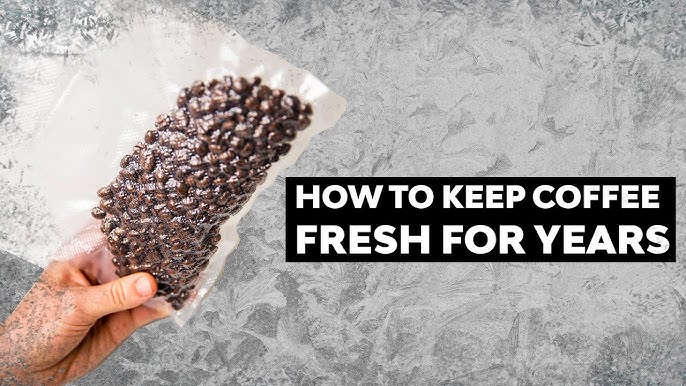
The freshness of coffee beans directly affects the flavor of coffee, so the correct storage method is crucial. Commercially available coffee bags usually come with a one-way exhaust valve, But for long-term storage, freezing seems to be a good way. The following article will share with you the following different storage methods, what situations are suitable for, and what are the advantages and disadvantages?
The first method is to use the original packaging with a one-way exhaust valve and store it at room temperature; the advantage is that the exhaust function is retained: the one-way valve allows carbon dioxide to be discharged while preventing oxygen from entering and delaying oxidation. This method is convenient for short-term use: it is suitable for coffee beans that are consumed within 1-2 weeks. Most coffee bags will adopt a light-proof design: some coffee bags use an aluminum foil inner layer to reduce the impact of light.
The second method is vacuum-sealed storage, which minimizes oxygen contact and greatly extends the shelf life. This method is suitable for long-term storage (more than 1 month), but her equipment cost is relatively high (vacuum sealer is required), and frequent opening will affect the sealing effect, which is suitable for small portions.
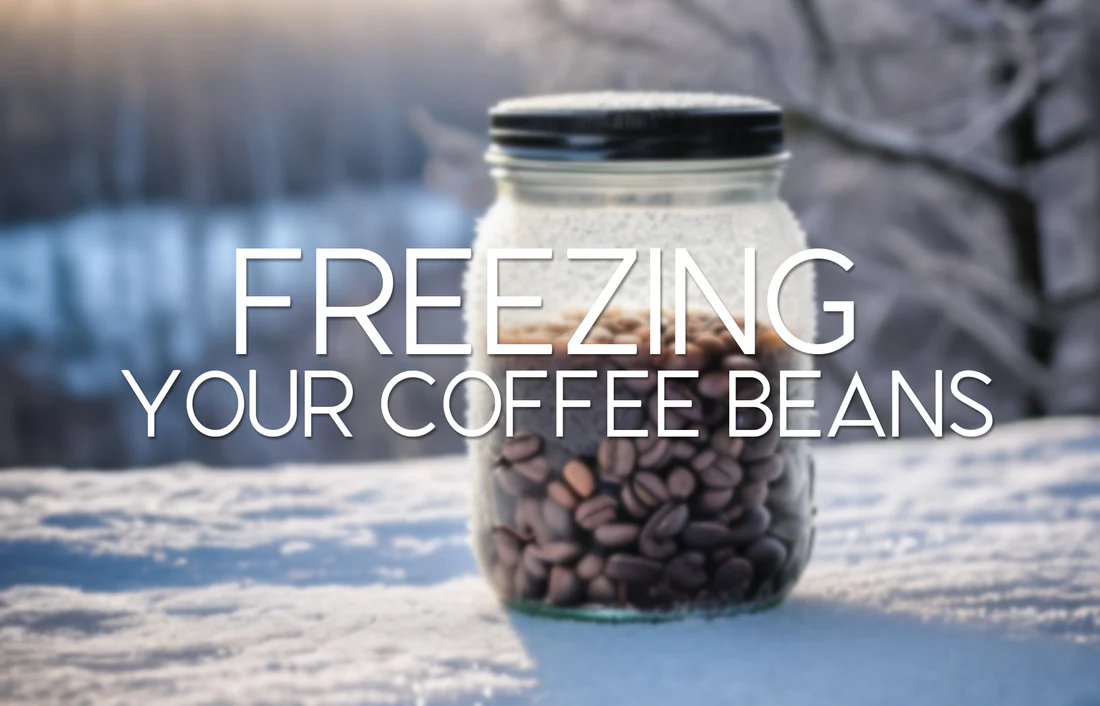
The third method is frozen storage; this is more suitable for greatly extending the shelf life (can be stored for 1-3 months); it is also suitable for people who do not drink coffee often to avoid waste. But it is important to note that we need to know the correct freezing method;
1. Divide into small portions (single serving).
2. Use vacuum sealed or double sealed bags.
3. Grind directly without thawing after taking out to avoid condensation.
In general, freezing is also a good choice. It is suitable for keeping coffee beans fresh for a long time, but you need to pay attention to the correct freezing method; if you want to know more, please feel free to contact us!