

The first reason is the consumer's enjoyment habits; coffee beans are usually at their best flavor for 2-4 weeks after roasting, and the 12-ounce capacity just meets the consumption rate of most coffee lovers: 1-2 cups per day (about 15-30 grams of coffee powder), 12 ounces can last for 2-4 weeks, and after 4 weeks, the coffee flavor will be significantly reduced due to oxidation and volatilization. Less than 12 ounces (such as 8 ounces) may not meet the needs of moderate or above drinkers. Therefore, 12 ounces can ensure that consumers drink it within the best flavor period, and will not cause quality degradation due to excessive weight. Therefore, many roasters choose to sell 12-ounce coffee beans in order to meet the consumer's usage habits.
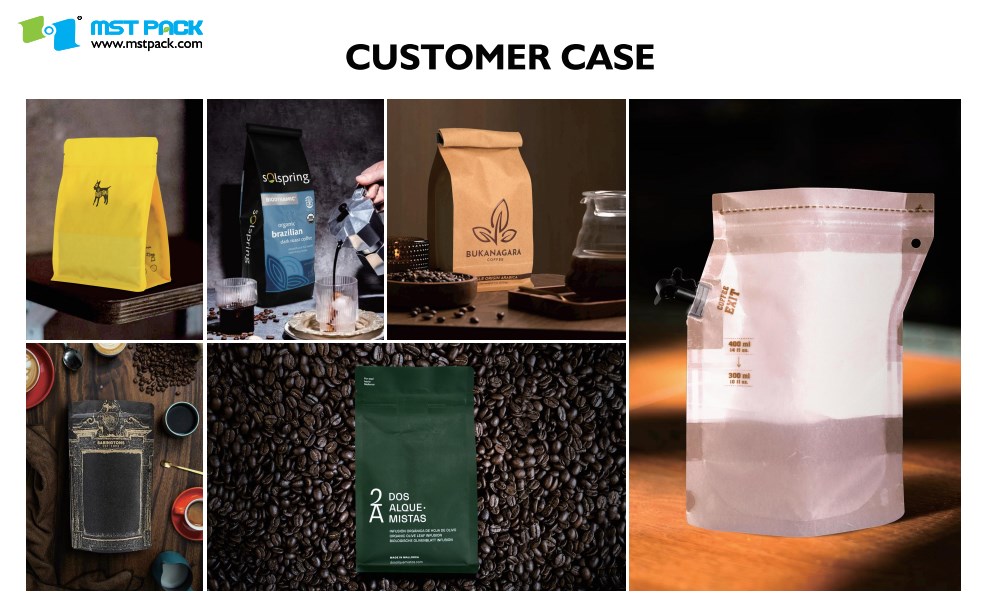
The second important reason is packaging cost and environmental considerations; 12-ounce packaging finds a balance between material cost, freshness and environmental protection: roasters usually choose aluminum foil lining plus a one-way valve: to ensure the freshness of coffee while keeping costs under control
At the same time, many brands use environmentally friendly packaging, and the 12-ounce size is easier to find sustainable alternatives, and for transportation carbon emissions: compared with larger packaging (such as 5-pound bags), 12 ounces reduces inventory pressure and waste; so 12 ounces of coffee beans are becoming more and more popular.
For roasters, how to choose the right coffee bag material?
The biggest enemies of coffee beans are oxygen, light, humidity and temperature, so packaging materials must provide effective protection. A one-way exhaust valve is a must because it allows CO₂ to be discharged, avoids bag bulging, and prevents oxygen from entering; secondly, we recommend aluminum foil composite bags, which are suitable for 95% of boutique coffees and can last for 3-6 months; finally, with the trend of protecting the environment, degradable materials are suitable for brands that emphasize sustainable development, but the preservation effect needs to be tested;
There is no "perfect" coffee bag material, only the most suitable choice for the current business stage. We recommend that roasters start with small-scale testing (such as trying a few sample bags first), and then collect consumer feedback to see if the packaging is easy to use? Is the preservation satisfactory? Finally, gradually optimize; upgrade packaging as the business grows. If you have any ideas about coffee packaging, please feel free to contact us!