

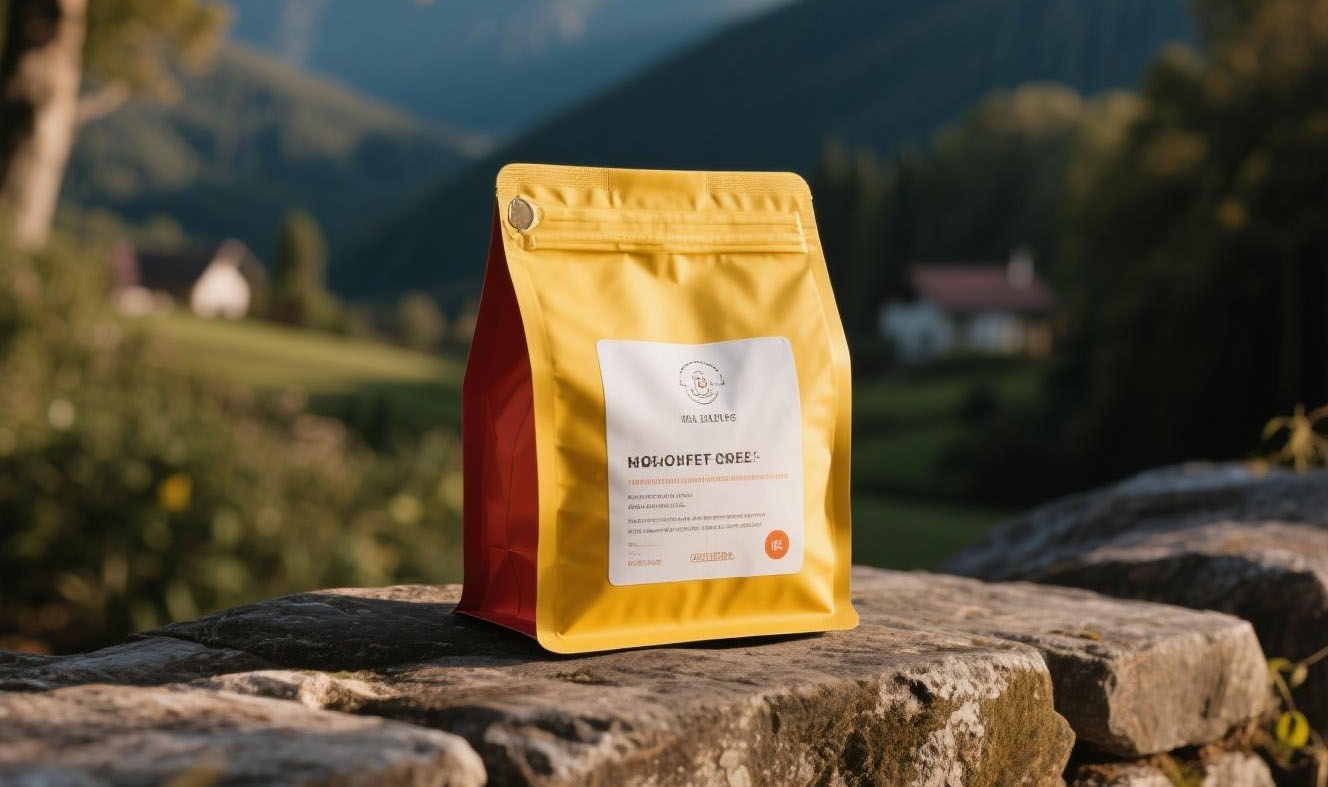
Compostable and recyclable coffee packaging are two sustainable solutions, but they differ in materials, disposal methods, and environmental impact.
What Is Compostable Coffee Packaging?
Compostable coffee packaging is made from plant-based materials that break down into natural elements under composting conditions.
These materials include PLA, kraft paper, and bio-based films.
What Is Recyclable Coffee Packaging?
Recyclable packaging is designed to be reprocessed into new materials, typically using mono-material structures such as PE or PP.
Key Differences Between Compostable and Recyclable Packaging
| Feature | Compostable | Recyclable |
| Material | Plant-based | Plastic mono-material |
| Disposal | Composting | Recycling |
| Barrier | Medium | High |
| Availability | Limited | Widely available |
Pros and Cons: Compostable
Pros:
1. Eco-friendly
2. Reduces landfill waste
Cons:
1. Requires industrial composting
2. Lower barrier
3. Recyclable
Pros:
1. Strong barrier
2. Widely recyclable
Cons: Depends on recycling infrastructure
Which Should You Choose?
Choose compostable for eco branding
Choose recyclable for performance and scalability
FAQs
Are compostable bags truly sustainable?
Yes, but only if disposed of correctly.
Why are recyclable bags more popular?
Because recycling infrastructure is more developed globally.
Need eco-friendly coffee packaging?
Contact MSTPACK for recyclable and compostable solutions.