

What’s New
Recent months have seen a sharp increase in online searches and market interest around “compostable coffee pouches”, driven by rising environmental awareness among consumers, stricter regulations on packaging claims, and technical improvements in materials.
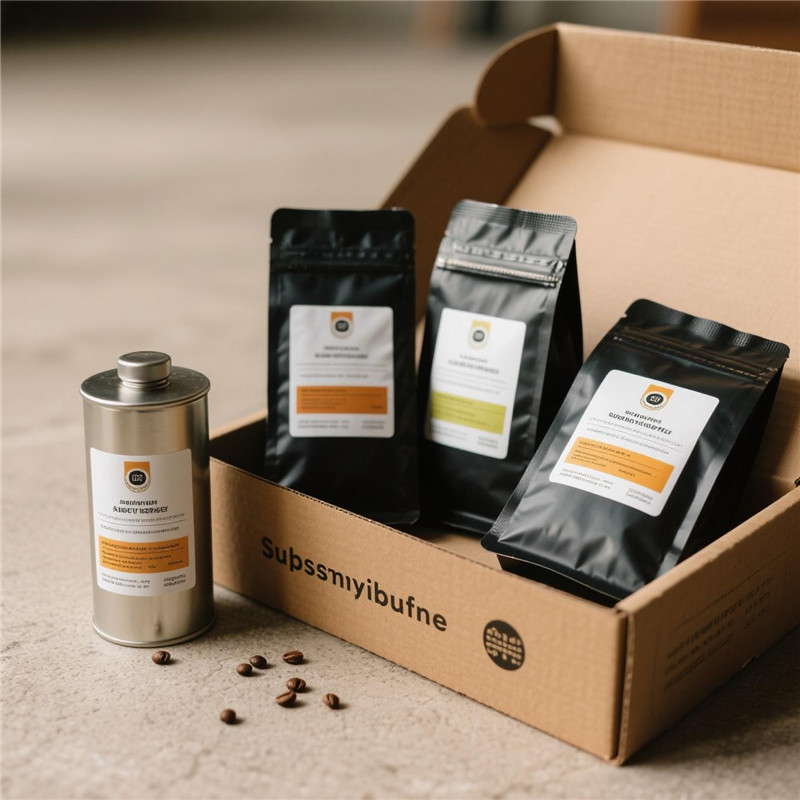
Key Trends Driving the Surge
Search Interest & Consumer Awareness Rising
Market reports show growing queries for terms like “eco-friendly coffee packaging”, “compostable coffee bags”, and “compostable coffee pouches wholesale”.
As brands emphasize sustainability in product storytelling, compostable options are no longer niche but becoming mainstream.
Regulatory Scrutiny on Compostability Claims
Regulators are increasingly cracking down on ambiguous or misleading usage of “compostable”. For example, in the UK, the Advertising Standards Authority (ASA) banned adverts from Lavazza UK and Dualit for claims implying home compostability when only industrial composting is applicable.
This creates both risk and opportunity: brands that are transparent and accurate in their wording can gain trust.
Material Innovation Matching Performance Needs
One barrier to adoption has been whether compostable films and pouches can protect coffee freshness—barrier to moisture, oxygen, light, etc. Recently, new compostable films are achieving performance closer to traditional multi-layer plastics, including stand-up pouches with degassing valves and resealable zips.
Design, Transparency & Branding as Differentiators
Brands are using compostable pouches not just for function but as part of their identity. Minimalist design, kraft paper look, visible sustainability certifications, QR codes to trace origin or disposal instructions are increasingly common.
Sustainability Expectations Are Becoming a Standard
Consumers expect sustainable materials as a baseline. Coffee and tea packaging sectors are adopting compostable or recyclable materials more broadly.
Challenges & Things to Watch
Consumer Misunderstanding: “Compostable” may mislead people into thinking home composting is possible when it isn’t. Clear labeling and consumer education are essential.
Certification & Standards: The need for verifiable, recognized compostability certification (industrial vs home). Lack of harmonization across geographies.
Cost & Scalability: Compostable materials sometimes cost more, and achieving high barrier properties can require more complex materials or coatings. Brands need to balance price, performance, and sustainability.
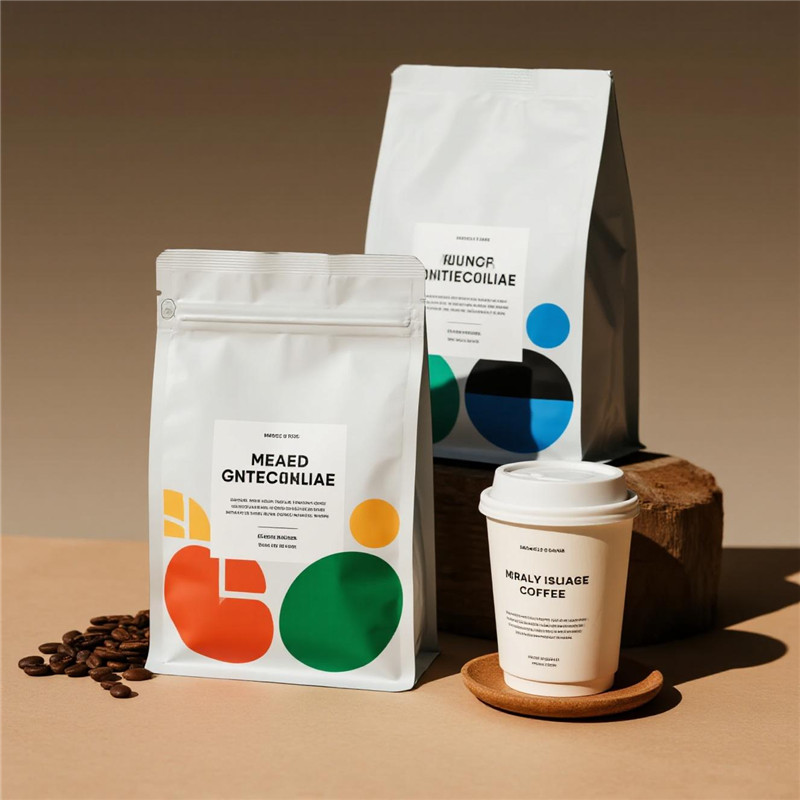
What This Means For Industry Stakeholders
For Coffee Brands & Roasters: Adopting compostable pouches gives competitive advantage, especially if claims are accurate and transparently communicated. Could enhance brand loyalty among eco-conscious consumers.
For Packaging Suppliers & Material Innovators: There is strong demand for compostable films/pouches that meet both sustainability standards and functional requirements. Innovation potential in barrier films, resealable formats, compostable inks etc.
For Regulators & Standard Bodies: Monitoring and guiding proper use of sustainability terminology, ensuring certifications are clear. Possibly updating or harmonizing standards for what “compostable coffee pouch” entails in various jurisdictions.