

In an era where environmental consciousness is shaping consumer behavior, coffee brands are under growing pressure to embrace plastic-free packaging solutions. This shift is more than a marketing trend—it's a response to mounting global concerns about plastic pollution, changing regulations, and the demand for authentic sustainability.
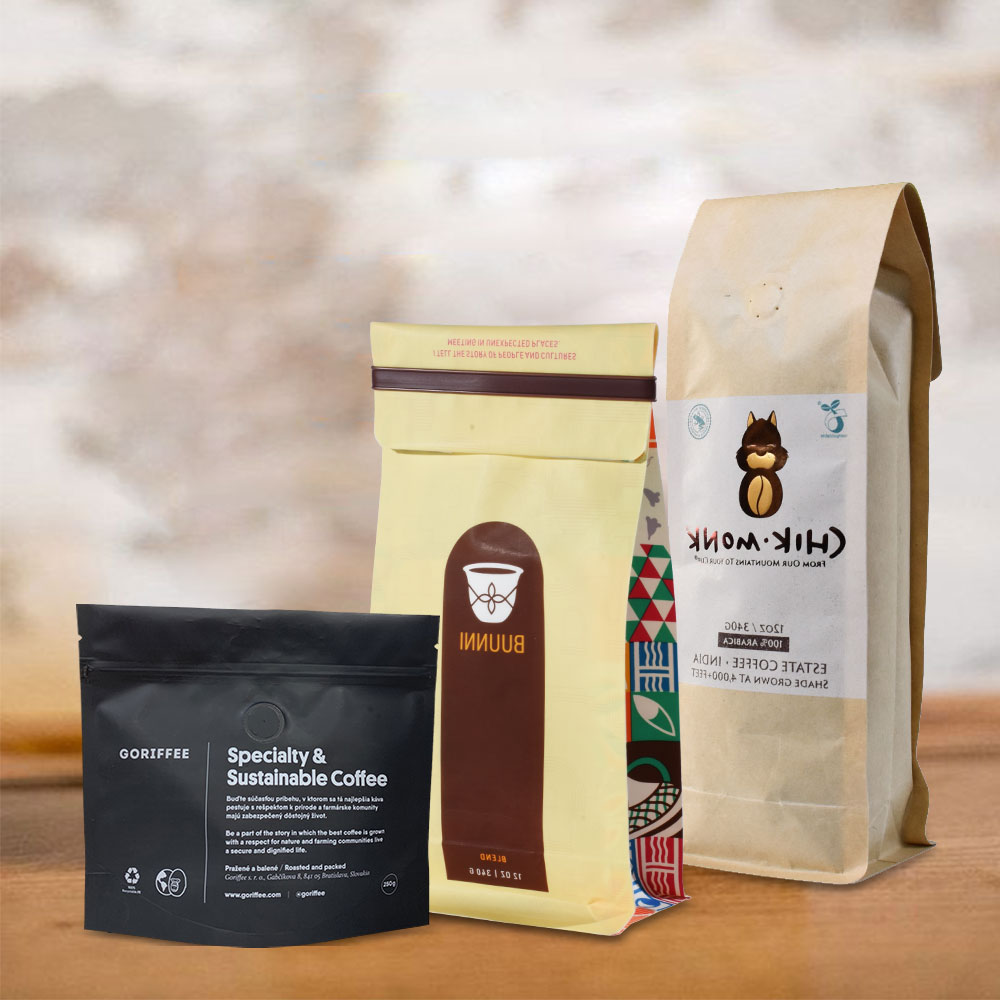
The Environmental Toll of Plastic Packaging
Plastic packaging, especially multilayer flexible plastic used in traditional coffee bags, contributes heavily to landfill waste and ocean pollution. According to the United Nations, over 300 million tons of plastic waste are produced globally each year, with packaging accounting for a large share. Much of it is not recyclable due to complex materials and poor infrastructure.
For coffee brands that strive to appeal to eco-conscious consumers, continuing to use plastic-based packaging is becoming increasingly incompatible with their values.
What Is Plastic-Free Coffee Packaging?
Plastic-free coffee packaging refers to solutions made entirely without petroleum-based plastics. These options include:
- Compostable kraft paper bags
- PLA (polylactic acid) bioplastic alternatives derived from corn or sugarcane
- Cellulose-based films
- Recyclable paper mono-materials
These materials are either home- or industrial-compostable, or recyclable through standard paper streams, making them significantly less harmful to the environment.
Why Coffee Brands Are Making the Switch
Consumer Demand
Today’s consumers are increasingly vocal about sustainability. Shoppers actively seek out products that align with their values, and packaging is often the first impression a brand makes.
Brand Differentiation
Plastic-free packaging stands out on the shelf—visually and ethically. It signals transparency, environmental responsibility, and a long-term vision.
Regulatory Pressures
Governments in Europe, Australia, and parts of the U.S. are introducing stricter rules on single-use plastics and extended producer responsibility (EPR). Future-proofing packaging choices now helps brands stay ahead of compliance challenges.
Compostable Certifications
With third-party certifications like OK Compost, TÜV Austria, or BPI Certified, brands can back their sustainability claims with credibility.
Innovative Supplier Support
Suppliers like MST PACK now offer durable plastic-free coffee packaging that still protects aroma, freshness, and shelf life. Options like inner PLA lining with kraft paper exteriors provide both protection and compostability.
Challenges and Considerations
While plastic-free options are gaining popularity, brands must consider:
Barrier performance: Biodegradable materials need to preserve coffee freshness and protect against moisture and oxygen.
Cost impact: Compostable materials often come at a premium price.
Infrastructure readiness: Not all regions have adequate composting or recycling systems.
However, brands that commit early can build stronger customer loyalty and a greener supply chain.
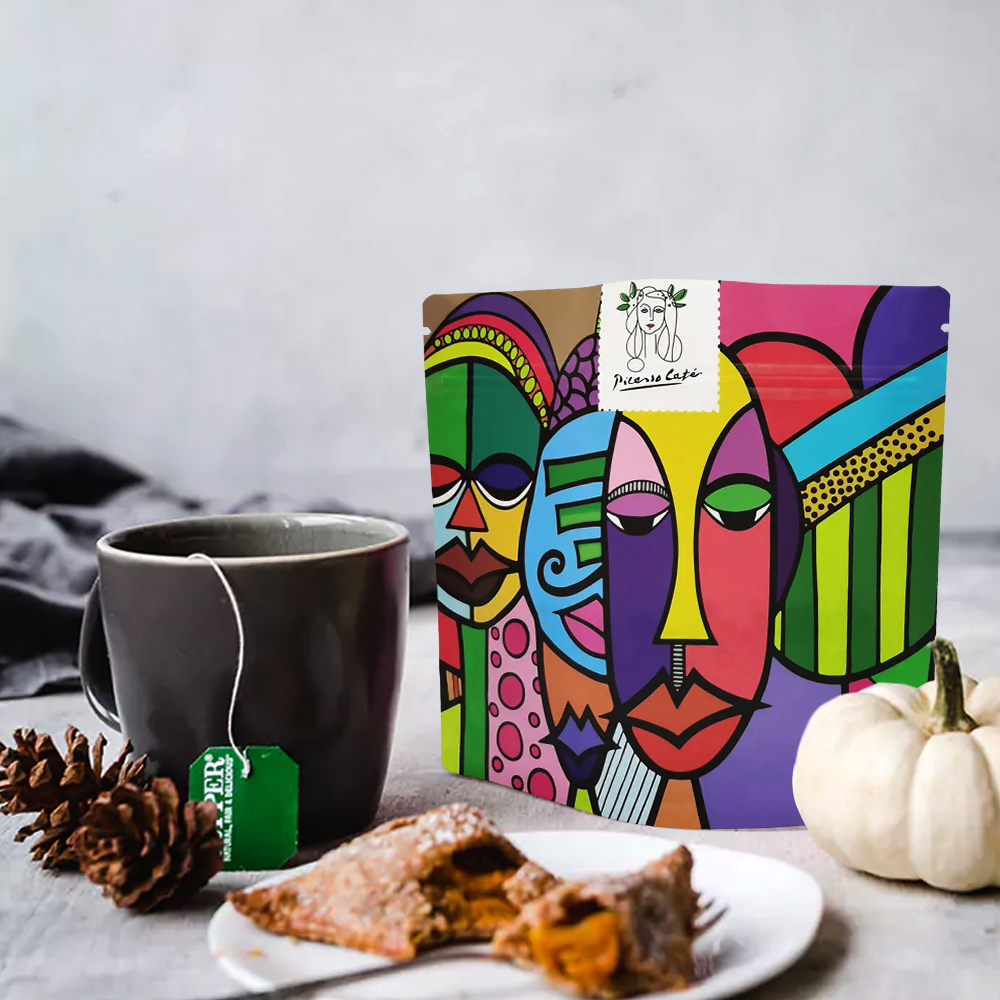
Switching to plastic-free coffee packaging is no longer a niche movement—it’s becoming a new industry standard. As innovation accelerates and sustainability becomes central to brand identity, coffee companies that act now will lead the next generation of responsible business.
Whether you’re a specialty roaster or a large-scale brand, the path toward plastic-free packaging is not only possible—it's essential.