

The best material for coffee bags depends on several factors, including the type of coffee you're packaging, your branding and marketing preferences, and your environmental considerations. Here are some common materials used for coffee bags, each with its own advantages and considerations: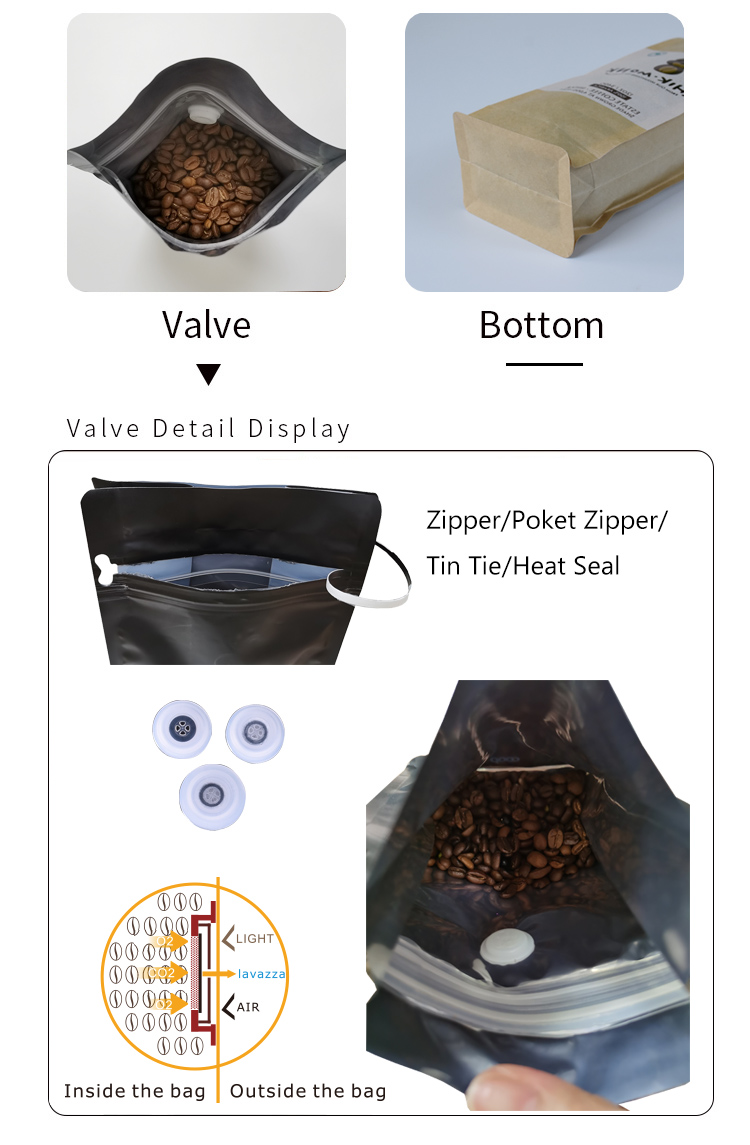
-
Foil Coffee Bags: Foil bags are excellent for preserving the freshness of coffee beans by providing a barrier to light, oxygen, and moisture. They are particularly effective for packaging whole bean coffee. However, they are not the most environmentally friendly option and may not be recyclable in some areas.
-
Kraft Paper Coffee Bags: Kraft paper bags are a more eco-friendly option. They can be recyclable and are often used for organic or artisanal coffee brands. While they don't provide the same level of protection against light and moisture as foil bags, they can still be lined with a moisture barrier to help maintain coffee freshness.
-
Plastic Coffee Bags: Plastic bags are lightweight and cost-effective. They are often used for ground coffee and are good at keeping out moisture and preserving freshness. However, plastic bags may not be as environmentally friendly as paper options, and they may not have the same premium image.
-
Valve Coffee Bags: Valve bags have a one-way valve that allows gases from freshly roasted coffee beans to escape without letting air in. This is crucial for freshly roasted coffee. Valve bags are typically made of laminated materials like foil or plastic, combined with paper.
-
Biodegradable and Compostable Coffee Bags: These bags are designed to break down naturally, which can be an excellent option for environmentally conscious brands. They are often made from materials like cornstarch or plant-based plastics. However, their effectiveness in preserving coffee freshness may vary, and they may require specific disposal conditions to break down properly.
-
Tin Tie Coffee Bags: These bags have a metal tie at the top, which can be folded down to reseal the bag after it's opened. They are often used for bulk coffee and are convenient for customers who want to keep their coffee fresh.
-
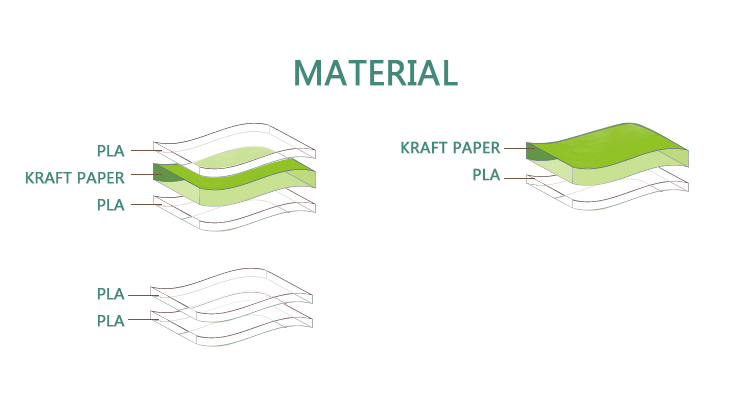
Customized Coffee Bags: Some coffee brands opt for custom-designed bags that incorporate a combination of materials to meet their specific needs and branding requirements. These can include various combinations of paper, foil, and plastic.
When choosing the best material for coffee bags, consider the following factors:
-
Coffee Type: Different coffee types (whole bean, ground, flavored, etc.) may require different types of bags for optimal freshness preservation.
-
Brand Image: Consider the image you want to portray and how the packaging aligns with your brand values and messaging.
-
Environmental Impact: Think about your environmental responsibility and whether you want to prioritize recyclability, biodegradability, or compostability.
-
Cost: The choice of materials can impact your packaging costs, so consider your budget.
Ultimately, there's no one-size-fits-all answer, and the best material for coffee bags will depend on your specific product and branding needs. It's essential to balance freshness preservation, sustainability, and cost-effectiveness when making your decision.