

Oxygen Barrier: Vacuum coffee bags create a vacuum environment by removing the air inside, reducing the exposure of coffee beans to external air. This is crucial for protecting coffee beans because oxygen is one of the primary factors contributing to coffee bean oxidation. When coffee beans are exposed to the air, oxygen reacts with compounds in the beans, leading to flavor and aroma degradation. Vacuum bags effectively reduce this oxidative reaction, prolonging the freshness and flavor of coffee.
Moisture Control: Coffee beans are sensitive to moisture, and a humid environment can lead to mold and spoilage. Vacuum coffee bags are typically made with multi-layer composite materials, including materials with excellent moisture barrier properties such as aluminum foil. These layers effectively isolate the coffee beans from external humidity, keeping them dry and preventing moisture-related issues.
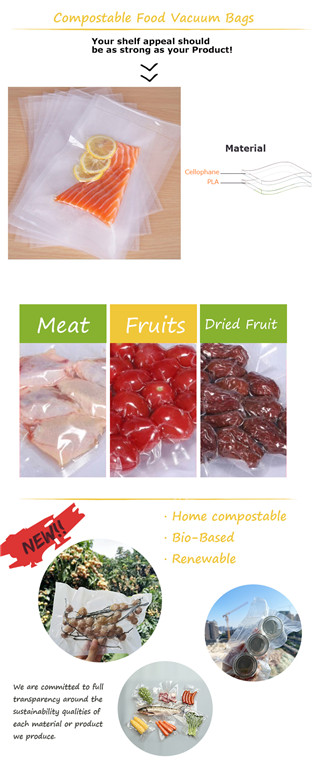
Maintaining Vacuum: Vacuum coffee bags are usually designed with good sealing properties to maintain the internal vacuum once sealed. This helps reduce oxygen permeation, further lowering the risk of oxidation and ensuring long-term freshness of the coffee.
Extended Shelf Life: Due to the protection mentioned above, vacuum coffee bags significantly extend the shelf life of coffee beans. This is valuable for both coffee producers and enthusiasts, as it ensures the quality and flavor of coffee can be maintained over an extended period.
In summary, vacuum coffee bags provide comprehensive protection through oxygen barrier, moisture control, odor isolation, and maintaining vacuum, ensuring the quality and taste of coffee beans are preserved. So It is OK to vacuum seal coffee. However, even with the use of vacuum coffee bags, it's still advisable to consume coffee relatively soon to enjoy the best flavor.
Now, let's discuss the customization of vacuum coffee bags:
When it comes to customizing vacuum coffee bags, there are several common aspects to consider:
Size and Shape: Vacuum coffee bags can be tailored to different sizes and shapes to meet specific branding and packaging needs. Whether it's small bags for sample packaging or large bags for bulk production, customization allows for flexibility.
Printing and Design: Customization allows producers to print branding elements, product information, images, and other design elements on the bags. This helps convey brand identity and product information to consumers, increasing brand awareness.
Material Selection: Customization enables the choice of different materials for vacuum coffee bags, including biodegradable and compostable materials. These environmentally friendly options reduce the environmental impact of packaging.
Sealing Method: There are various sealing methods available for vacuum coffee bags, such as zip-lock closures, heat sealing, tape sealing, and more. Producers can select the sealing method that suits their preferences and requirements.
Attachments and Additional Features: Some vacuum coffee bags can come with attachments like valves to allow gas release, ensuring that the bags don't burst due to gas buildup. Additionally, bags can have special handles, holes, or hooks for added convenience.
Packaging Quantity: Customization allows producers to order vacuum coffee bags in quantities that suit their needs, whether it's small batches for sample packaging or large orders for production. This helps control costs and reduce inventory.
It's important to note that while customizing vacuum coffee bags, factors such as material costs, manufacturing processes, printing technology, and lead times should be considered. Producers often collaborate with packaging suppliers to ensure their specific needs are met, and the most suitable vacuum coffee bags are produced.
Regarding the use of biodegradable materials in vacuum coffee bags:
When selecting materials for vacuum coffee bags, the inclusion of biodegradable materials is an important consideration. Biodegradable materials refer to materials that can decompose into smaller compounds under certain conditions and ultimately break down into natural elements like water, carbon dioxide, and organic matter. These materials offer several advantages:
Sustainability: Biodegradable materials are often derived from renewable resources, such as corn starch, pulp, or bioplastics. This reduces the environmental impact compared to traditional plastics, which are derived from finite resources.
Biodegradability: Biodegradable materials possess the ability to break down into non-toxic components under specific conditions. Unlike conventional plastics that persist in the environment for extended periods, biodegradable materials reduce the long-term environmental burden.
Reduced Ecological Risks: Biodegradable materials pose lower risks to wildlife and ecosystems. Animals are less likely to ingest these materials or become entangled in them.
Market Awareness: An increasing number of consumers are interested in eco-friendly and sustainable products. Using biodegradable materials in packaging can enhance a brand's environmental image and attract environmentally conscious consumers.
Regulatory Compliance: Some regions and countries have implemented restrictions and regulations on plastic use. Utilizing biodegradable materials can assist producers in complying with relevant regulations.
However, it's important to note that the effectiveness of biodegradation depends on specific environmental conditions, such as humidity, temperature, and microbial activity. In dry or cold environments or areas lacking the necessary microorganisms, the degradation process may be slower. Therefore, when choosing biodegradable materials for vacuum coffee bags, the product's usage environment and disposal methods should be considered.
In conclusion, incorporating biodegradable materials into vacuum coffee bags offers significant environmental advantages by reducing plastic pollution and promoting sustainability. Producers should carefully weigh the environmental benefits against material performance and suitability for their specific packaging needs.