

In today's society, there is a growing concern for sustainability and environmental consciousness, which has also affected the food and coffee industries. Both of these sectors generate significant packaging waste, but over time, they have increasingly embraced various eco-friendly packaging methods to reduce their adverse environmental impacts. Below are some applications of environmentally friendly packaging in the food and coffee industry: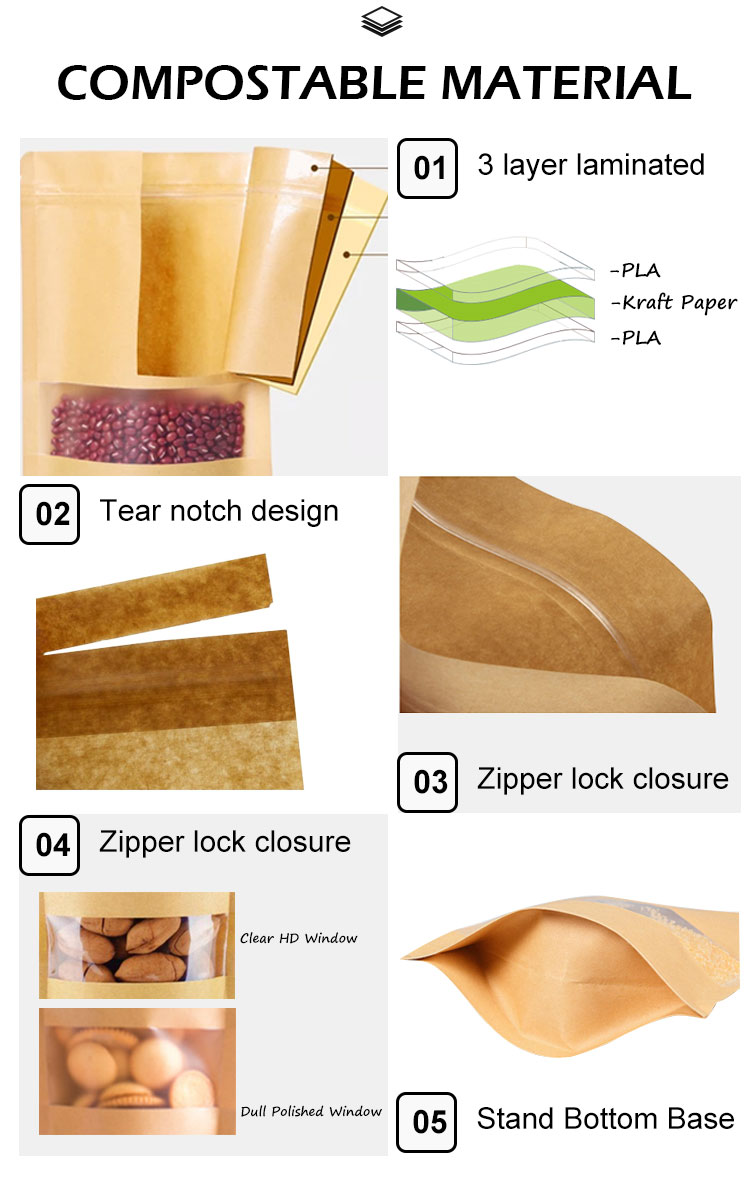
- Biodegradable Packaging Materials: Biodegradable packaging materials are gaining popularity in the food and coffee industry. These materials can naturally break down into harmless compounds, reducing their environmental footprint. For instance, plastic bags made from cornstarch can decompose over time without harming soil or water sources.
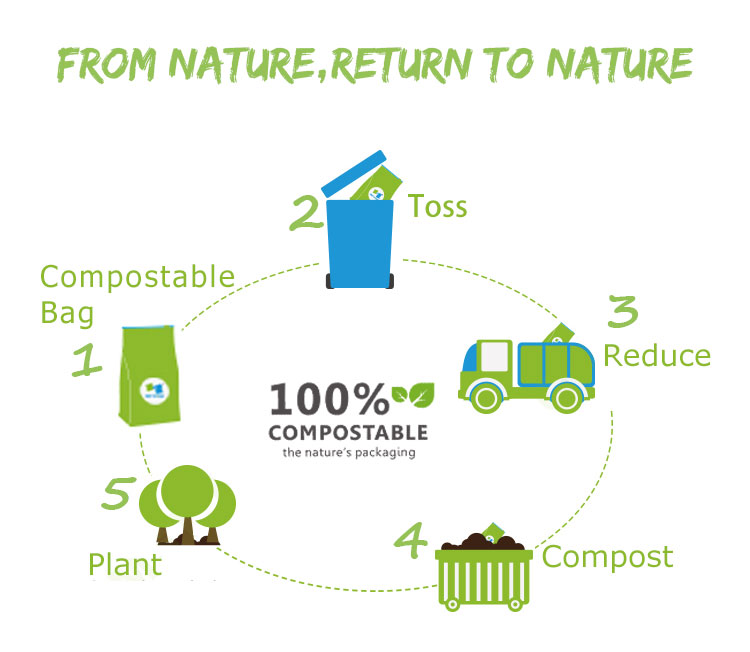
- Compostable Packaging: Some food and coffee packaging is made from compostable materials like paper or starch-based plastics. These materials can be composted alongside organic waste, becoming organic fertilizer and reducing landfill and incineration waste.
- Recyclable Packaging: Many food and coffee packages are made from recyclable materials such as glass, aluminum, and specific types of plastics. These materials can be recycled to manufacture new packaging or other products, conserving raw materials and energy.
- Reusable Packaging: Both the food and coffee industry are increasingly adopting reusable packaging options like glass bottles, metal containers, and washable packaging. These packaging types can be used multiple times, reducing the need for single-use packaging.
- Paper Packaging: Paper is a renewable material and is widely used in food and coffee packaging. It can be recycled and sourced from sustainable forestry management to ensure the sustainability of forest resources.
- Reduced Packaging: The food and coffee industry has also implemented strategies to reduce packaging waste by minimizing unnecessary packaging, downsizing packaging dimensions, and adopting more compact designs.
- Sustainable Labeling and Printing: Packaging labels and printing have become more eco-friendly, employing biodegradable inks and recyclable paper. Additionally, some food and coffee brands opt for sustainable printing technologies such as water-based inks to reduce their environmental impact.
Friendly Packaging Materials:
Here are detailed descriptions of several environmentally friendly packaging materials:
Biodegradable Plastics: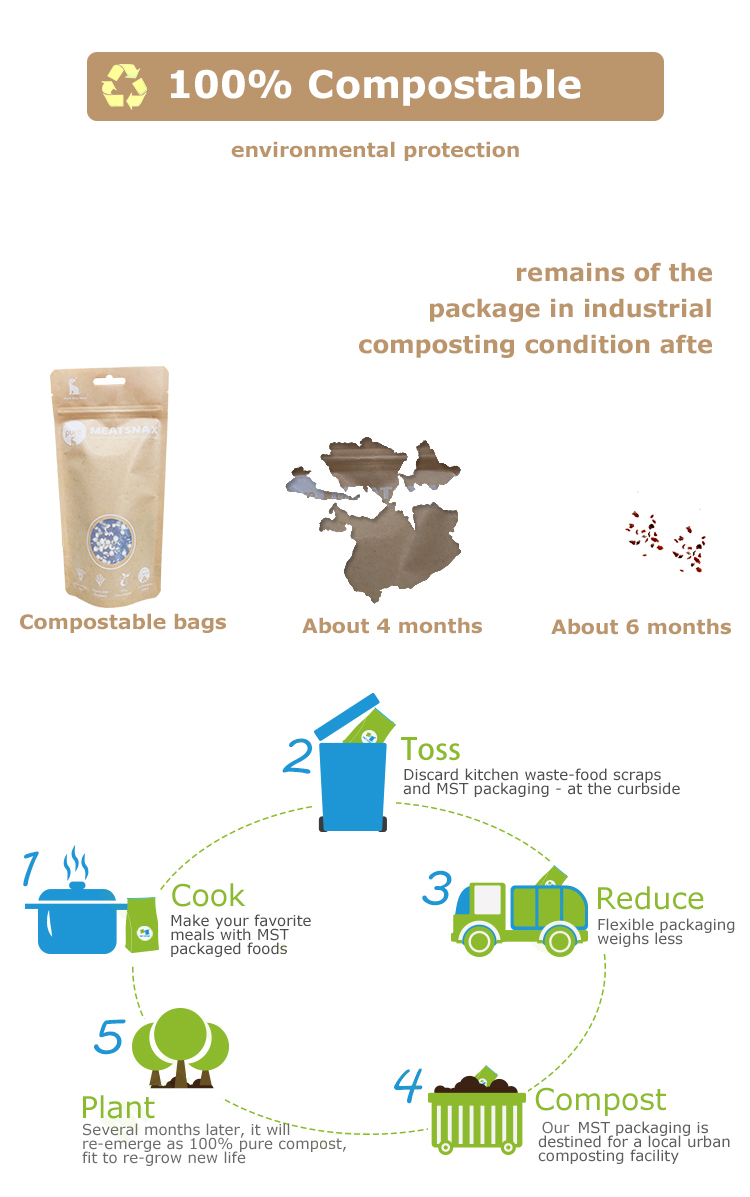
Material Characteristics: Biodegradable plastics are typically derived from plant sources such as cornstarch or cellulose. They are designed to naturally break down in the environment, reducing long-term plastic pollution.
Applications: Biodegradable plastics are commonly used in food packaging, disposable utensils, agricultural products, and some industrial packaging.
Advantages: They reduce the reliance on non-renewable resources like petroleum and decrease the volume of plastic waste.
Compostable Packaging:
Material Characteristics: Compostable packaging materials are often based on natural fibers such as paper, cornstarch, or cellulose plastics. They can be composted along with organic waste, ultimately breaking down into organic fertilizer.
Applications: Common applications include food packaging, coffee cups, and some disposable utensils.
Advantages: Compostable packaging reduces the need for landfilling and incineration, contributing to improved soil fertility.
Recyclable Packaging:
Material Characteristics: Recyclable packaging typically includes materials like glass, metal (e.g., aluminum), certain types of plastics, and paper. These materials can be collected and processed for manufacturing new packaging or other products.
Applications: Recyclable packaging is widely used in the food, beverage, and household goods industries.
Advantages: It reduces resource consumption, minimizes landfilling and incineration, and promotes sustainable resource recycling.
Paper Packaging:
Material Characteristics: Paper is a renewable natural material that is often recyclable. It can be sourced from sustainable forestry management to ensure the sustainability of forest resources.
Applications: Paper packaging is widely used in food, gifts, books, documents, and more.
Advantages: It reduces the demand for non-renewable resources, contributing to the sustainability of forests.
These eco-friendly packaging methods not only help reduce environmental impacts but also enhance a company's sustainability image, meeting the increasing consumer demand for environmentally responsible products. By adopting these practices, the food and coffee industries can actively contribute to waste reduction, resource conservation, and environmental awareness, promoting a greener and more sustainable future.