

Coffee bags have become an essential aspect of the modern coffee industry, providing a convenient and efficient way to store, transport, and enjoy our beloved caffeinated beverage. However, as environmental concerns gain prominence, the materials used to manufacture these coffee bags have come under scrutiny. This article aims to delve into the various materials that coffee bags are made of, their suitability for different usage environments, and their impact on the environment.
Traditional Materials: Plastic
Plastic coffee bags, commonly made from materials like polyethylene and polypropylene, have long been a staple in the coffee packaging industry. These bags are affordable, lightweight, and offer excellent barrier properties that preserve the freshness of coffee beans or ground coffee. However, the environmental impact of plastic bags is a growing concern. They contribute significantly to pollution and take a long time to decompose, harming ecosystems and marine life.
Usage Environments: Plastic coffee bags are still widely used in various settings due to their convenience and cost-effectiveness. They are commonly found in supermarkets, convenience stores, and cafes where the focus might not be on sustainable packaging.


Sustainable Alternatives: Compostable Bags
To address the environmental concerns associated with plastic bags, compostable coffee bags have gained popularity. These bags are made from materials like cornstarch, sugarcane, or other plant-based polymers that break down naturally and contribute to soil enrichment.
Usage Environments: Compostable coffee bags are an excellent choice for environmentally-conscious consumers, organic stores, and specialty coffee shops that prioritize sustainable packaging solutions. However, they might not be suitable for all environments due to their slightly higher costs and specific composting requirements.
Reusable Options: Cloth and Fabric Bags
In some regions, cloth and fabric coffee bags have made a resurgence as an eco-friendly alternative. These bags can be reused multiple times, reducing the need for single-use packaging.
Usage Environments: Cloth and fabric coffee bags are more commonly used in areas where sustainability is a significant concern, such as zero-waste stores and communities. They offer a unique and stylish packaging solution while minimizing waste.
Premium Packaging: Paper and Tin-Tie Bags
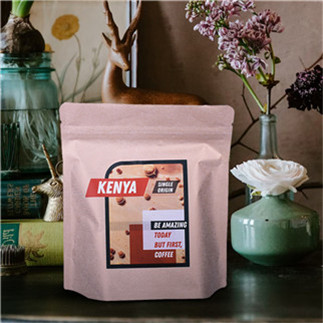
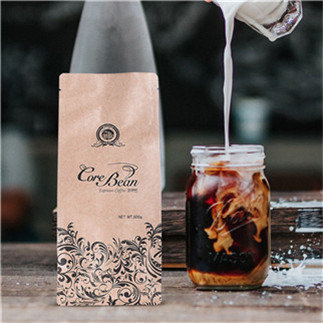
For premium coffee brands that want to maintain an upscale image while prioritizing environmental considerations, paper and tin-tie coffee bags are gaining traction. These bags often come with resealable tin-ties that enhance convenience and freshness.
Usage Environments: Paper and tin-tie coffee bags are favored by artisanal coffee roasters and specialty shops. They are suitable for environments where customers value quality, aesthetics, and sustainability.
Coffee bag materials have evolved to meet the demands of different usage environments and growing environmental concerns. As consumers become more aware of the impact of packaging on the planet, the coffee industry is adapting by exploring various options, from traditional plastics to compostable materials, reusable fabrics, and premium paper packaging. Choosing the right coffee bag material depends on the values of the business, the preferences of the consumers, and the desire to strike a balance between convenience, quality, and sustainability.