

The world has witnessed a growing awareness of environmental issues and an increasing demand for sustainable products. This wave of eco-consciousness has brought about a revolution in various industries, including the coffee packaging sector. Enter compostable coffee bags, a novel solution that offers a greener alternative to the traditional coffee packaging options.
Features of Compostable Coffee Bags:
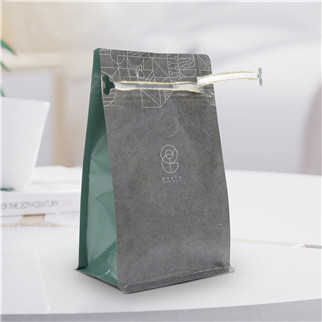
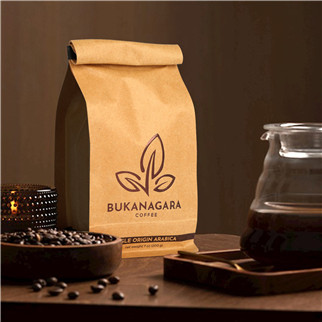
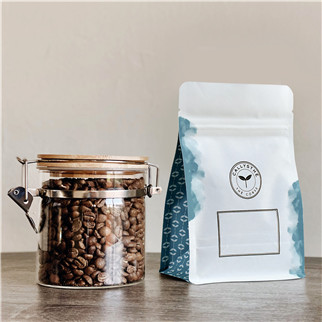
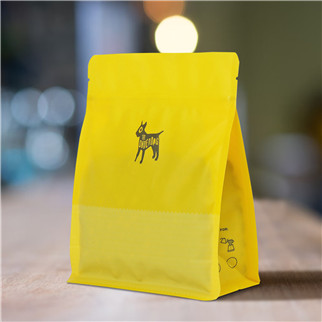
Compostable coffee bags are designed with the environment in mind. They are typically made from plant-based materials, such as cornstarch, cellulose, and PLA (polylactic acid). These materials possess the remarkable quality of breaking down naturally into organic matter, which can then be used as nutrient-rich compost for soil enrichment. This not only reduces waste but also contributes to healthier soil ecosystems.
Distinguishing from Conventional Coffee Bags:
In contrast, conventional coffee bags, often made from various layers of plastic and aluminum, are notorious for their non-biodegradable nature. These bags can take hundreds of years to decompose, contributing to the global plastic pollution crisis. Additionally, traditional bags are often challenging to recycle due to their complex composition.
Advantages of Compostable Coffee Bags:
-
Eco-Friendly Disposal: The most significant advantage of compostable coffee bags is their ability to decompose naturally. When disposed of in a composting environment, they break down within a matter of months, unlike their conventional counterparts.
-
Reduced Carbon Footprint: The production of compostable bags generally requires fewer fossil fuels compared to the production of traditional plastic bags. This results in a reduced carbon footprint and lower overall environmental impact.
-
Soil Enrichment: As compostable coffee bags degrade, they release valuable nutrients into the soil, contributing to its fertility. This closed-loop system enhances sustainability by completing the lifecycle of the packaging.
Decomposition Process:
Compostable materials degrade through a process known as composting, which involves the breakdown of organic matter by microorganisms like bacteria, fungi, and worms. Composting creates an optimal environment for these microorganisms to thrive, including the right balance of moisture, oxygen, and temperature.
Different Compostable Materials and Their Conditions:
-
Cornstarch: Cornstarch-based bags require a well-maintained composting facility with controlled temperature and humidity. It usually takes around 3 to 6 months for them to fully decompose.
-
Cellulose: Bags made from cellulose, often derived from wood fibers, break down in both industrial and home composting settings. Decomposition may take about 6 to 12 months.
-
PLA (Polylactic Acid): PLA-based bags need higher temperatures to break down effectively. Industrial composting sites are better suited for PLA bags, and they can decompose in around 6 to 12 months.
Compostable coffee bags represent a significant stride toward sustainable and environmentally friendly packaging. Their ability to decompose naturally, along with the enrichment they provide to soil, sets them apart from conventional bags. As consumers increasingly seek sustainable options, the shift towards compostable coffee bags marks a positive trend in the fight against plastic waste and climate change.