

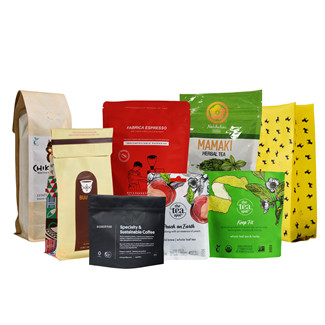
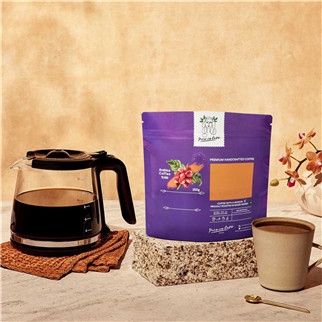
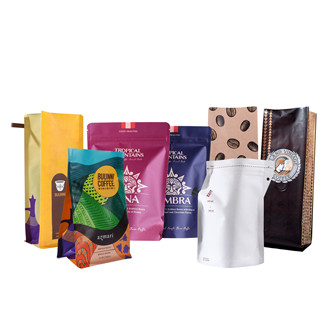
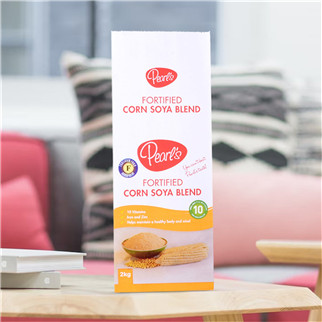
Printing on coffee bags has become a crucial aspect of branding and marketing for coffee producers. The ability to showcase enticing designs and product information on the bags not only enhances the visual appeal but also communicates essential details to consumers. In this article, we will explore the different printing methods used on coffee bags, the step-by-step process involved, and the distinct advantages they offer.
Printing Methods:
-
Flexography: Flexography, commonly known as flexo printing, is a popular method for printing on coffee bags. It involves the use of flexible relief plates made of rubber or polymer. The inked plates transfer the design onto the bag material. Flexo printing is ideal for high-volume printing and allows for quick production turnaround. It is suitable for both simple logos and intricate designs, making it a versatile option for coffee producers.
-
Gravure Printing: Gravure printing is a high-quality and precise printing method. It employs engraved cylinders to transfer the ink onto the coffee bags. The engraved cells hold the ink, which is then pressed onto the material. Gravure printing produces sharp images and vibrant colors, making coffee bags stand out on the shelves. While it is excellent for larger production runs, it may not be as cost-effective for small quantities.
-
Digital Printing: In recent years, digital printing has gained significant traction in the coffee packaging industry. This method involves directly printing the design onto the coffee bags using specialized digital printers. Digital printing offers the advantage of customization, enabling coffee producers to print small batches with different designs cost-effectively. It also reduces waste and setup time, making it an environmentally friendly option.
The Printing Process:
Step 1: Design Preparation The printing process begins with creating the artwork. Coffee producers work closely with graphic designers to develop eye-catching designs that represent their brand identity and product information.
Step 2: Pre-Press For traditional printing methods like flexography and gravure, the design is transferred to printing plates or cylinders. Each color requires a separate plate or cylinder.
Step 3: Ink Selection Choosing the right ink is crucial to achieve the desired visual appearance and ensure its compatibility with the bag material.
Step 4: Printing The bags are fed into the printing press, where the ink is applied to the surface using the designated printing method (flexography, gravure, or digital).
Step 5: Drying and Finishing After printing, the bags go through a drying process to set the ink properly. Additional finishing touches, such as adding special coatings or laminations for extra protection, may be applied.
Different Printing Advantages:
- Flexography Advantages:
- Fast and efficient for high-volume production.
- Suitable for various bag materials, including kraft paper and plastic films.
- Cost-effective for large print runs.
- Gravure Printing Advantages:
- Exceptional print quality with sharp and vivid images.
- Ideal for coffee bags with complex designs or high-resolution graphics.
- Excellent for long print runs.
- Digital Printing Advantages:
- Customizable for small batches and unique designs.
- Reduced setup time and waste, leading to lower costs.
- Environmentally friendly due to minimal waste and energy-efficient process.
In conclusion, choosing the right printing method for coffee bags depends on the specific needs and preferences of each coffee producer. Flexography and gravure printing are excellent for high-volume and large-scale productions, respectively, while digital printing offers customization and sustainability advantages for smaller quantities. By harnessing the power of printing on coffee bags, coffee producers can effectively engage consumers and create a lasting impression in a competitive market.