

In a groundbreaking step towards a greener and more sustainable future, a new product is set to revolutionize the coffee industry: recyclable coffee bags. These innovative bags are designed to significantly reduce environmental impact and promote responsible consumption habits among coffee enthusiasts worldwide.
Materials of Recyclable Coffee Bags:
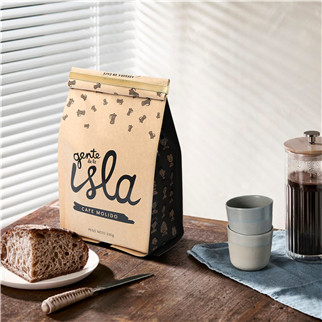
The key to the success of these recyclable coffee bags lies in the carefully selected materials used in their production. Manufacturers have opted for a combination of biodegradable and recyclable materials, with a primary focus on renewable resources. These bags are typically composed of plant-based plastics, paper, and a thin aluminum layer for freshness preservation. The use of such eco-friendly materials ensures the bags have a minimal carbon footprint and can be integrated back into the recycling system with ease.



The Recyclable Coffee Bags' Recyclability:
The recyclability of these coffee bags is at the heart of their environmental significance. Traditional coffee bags, often made from non-recyclable mixed materials, have long been a significant contributor to landfill waste. However, recyclable coffee bags can be processed through various recycling channels, making them an eco-conscious choice for both coffee producers and consumers.
Reasons for Recyclability:
The primary reason these coffee bags are recyclable is their thoughtful design. By utilizing materials that can be easily separated and processed in recycling facilities, the bags can be diverted from landfills, reducing pollution and conserving valuable resources. Additionally, the shift towards renewable materials minimizes the reliance on fossil fuels, further enhancing the bags' eco-friendly profile.
Types of Recycling and Collection Methods:
Recyclable coffee bags can be collected and processed through several recycling methods:
Curbside Recycling:
Many municipalities now accept recyclable coffee bags through their curbside recycling programs. Consumers can simply place the bags in their recycling bins along with other eligible materials.Drop-Off Locations:
Coffee shops and grocery stores may offer designated drop-off points for customers to return their used coffee bags for recycling.
Mail-In Recycling Programs:
Some coffee brands have introduced mail-in recycling initiatives, where consumers can send their empty coffee bags back to the company for proper recycling.
Specialty Recycling Facilities:
Certain recycling facilities are equipped to handle the recycling of more complex materials, such as the thin aluminum layer in coffee bags, ensuring no part goes to waste.



Impact on the Coffee Industry:
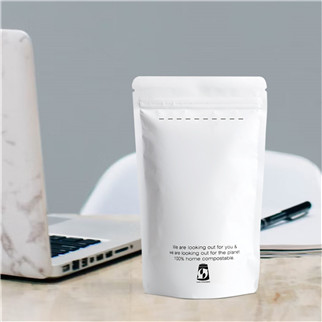
The introduction of recyclable coffee bags marks a turning point for the coffee industry's sustainability efforts. As consumers become increasingly environmentally conscious, businesses that embrace such eco-friendly practices are likely to gain a competitive edge. Moreover, the adoption of recyclable coffee bags aligns with the global push for reduced plastic usage and waste, potentially setting a precedent for other industries to follow suit.
In conclusion, the emergence of recyclable coffee bags represents a significant step forward in promoting environmental responsibility within the coffee industry. By utilizing renewable and easily recyclable materials, these bags demonstrate how businesses can contribute positively to the environment while delivering high-quality products to their consumers. As these eco-friendly coffee bags become more widely available, consumers are empowered to make more sustainable choices, fostering a brighter and cleaner future for all.